
Celebrity Fashion
Review of the film Hokum: A haunting folk nightmare
Hokum takes folk horror as its central theme, creating a suffocating world where fear is nurtured by ambiguity and a lingering sense of unease.
Following the success of Caveat and Oddity, director Damian McCarthy returns with a work that continues to explore his forte in psychological horror with an Irish folk flavor. While his previous films leaned towards a slow, chilling experience, this time McCarthy pushes things further, transforming a secluded hotel into a labyrinth of guilt, memories, and unnameable supernatural forces.
The film follows Ohm Bauman (Adam Scott), a renowned novelist experiencing a mental crisis after the deaths of his parents. He travels to Ireland to scatter their ashes at their former honeymoon destination. However, the trip quickly turns into a nightmare when Ohm discovers his hotel is hiding many bizarre secrets, involving a sealed room, an ancient witch, and a series of mysterious disappearances.
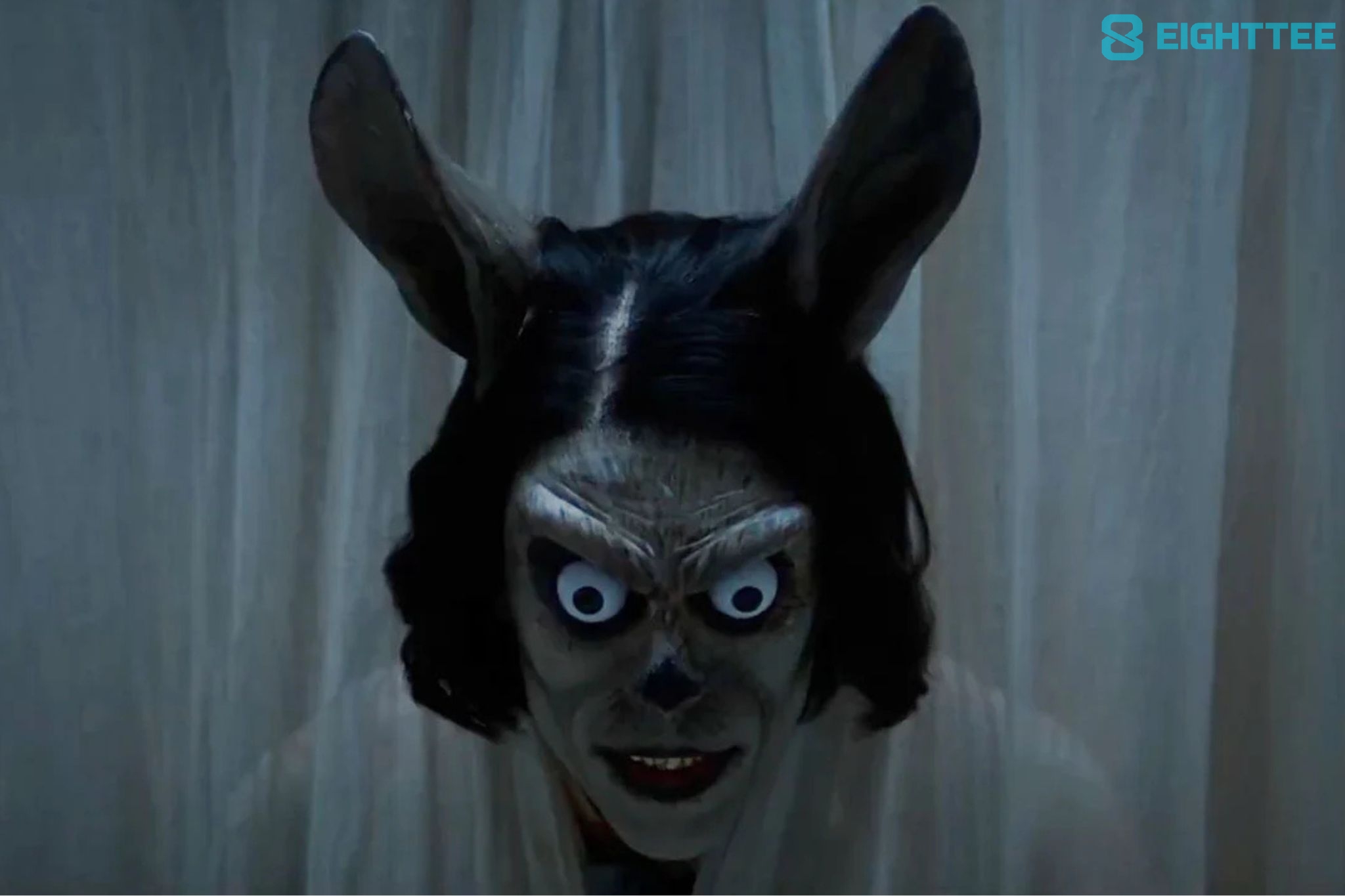
Damian McCarthy Continues To Demonstrate His Ability To Create A Terrifying Atmosphere
The greatest strength of Hokum lies not in its particularly original plot, but in how Damian McCarthy manipulates the atmosphere.
Most of the film takes place in the Bilberry Weeds Hotel, where the dark corridors, the creaking of decaying wood, and the dim yellow lighting become more effective tools for creating fear than gore or monsters appearing directly. McCarthy doesn’t rely on constant jump scares, but instead allows the fear to creep in slowly and persistently.
There are many scenes where almost nothing happens except for footsteps and sounds echoing from the basement. But it is precisely this silence that makes the viewer uneasy in a deliberate way. The film keeps the audience on edge, even when something unexpected may never happen.
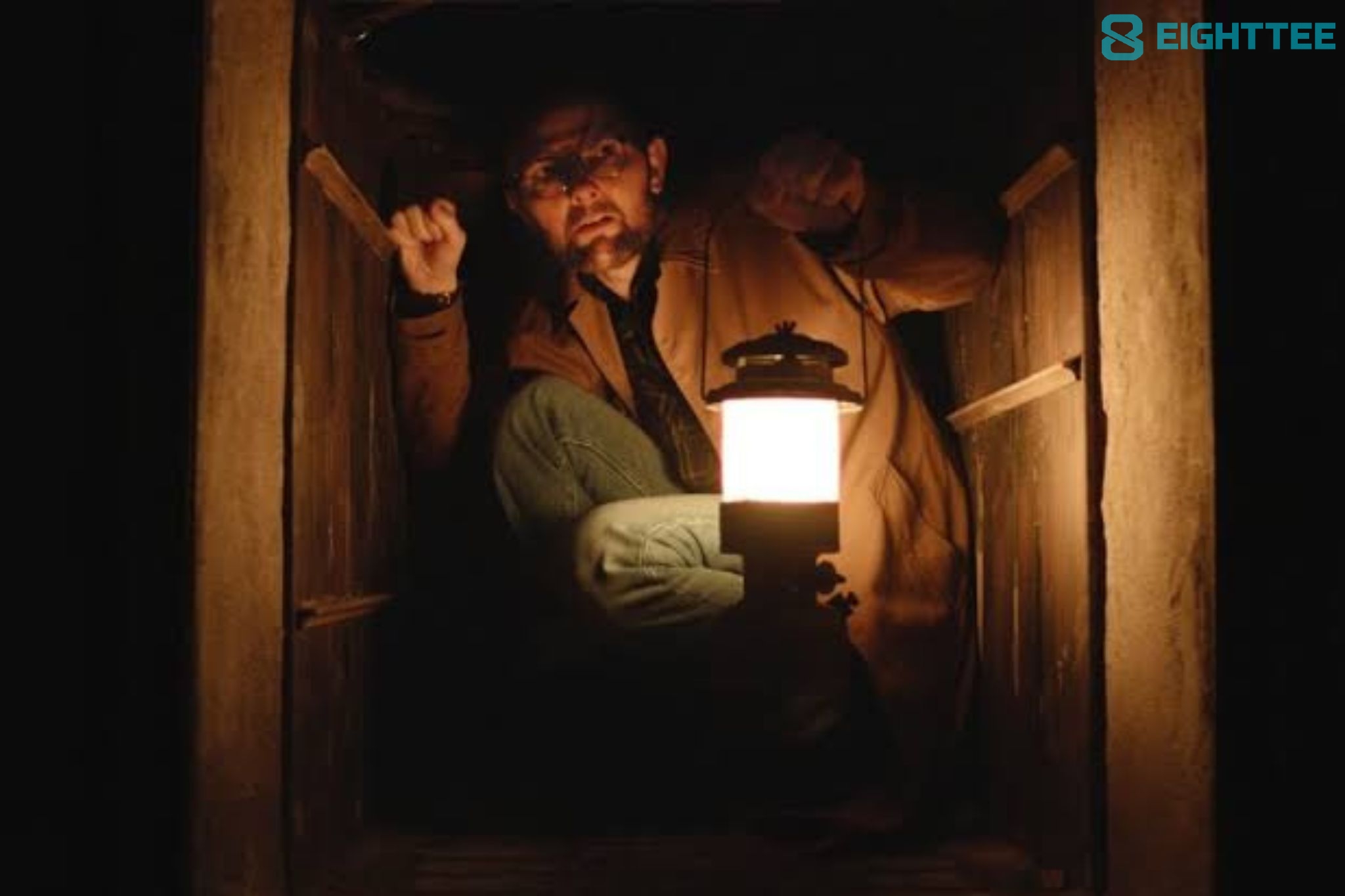
Hokum can be compared to The Shining and many classic folk horror films due to its ability to utilize isolated spaces to create psychological pressure. The atmosphere feels thick, damp, and distinctly Irish, from the oral tales of witches to the soundtrack filled with distorted folk sounds.
Damian McCarthy also demonstrates a sharp understanding of fleeting imagery. Instead of keeping the monster on screen for too long, the director mainly uses shadows, unsettling sounds, and subtle movements hidden in the background. This method creates a lingering fear because the sense of danger always seems to come from the edges of the frame rather than directly from the center.
Adam Scott Surprises With A Darker Performance
Audiences are often familiar with Adam Scott through humorous or awkward roles. However, in Hokum, he delivers a near-complete transformation.
Ohm Bauman is not an easy character to sympathize with. He is bitter, cynical, and emotionally distant from those around him. Even when arriving at the haunted hotel, his first reaction is skepticism mixed with irritation.
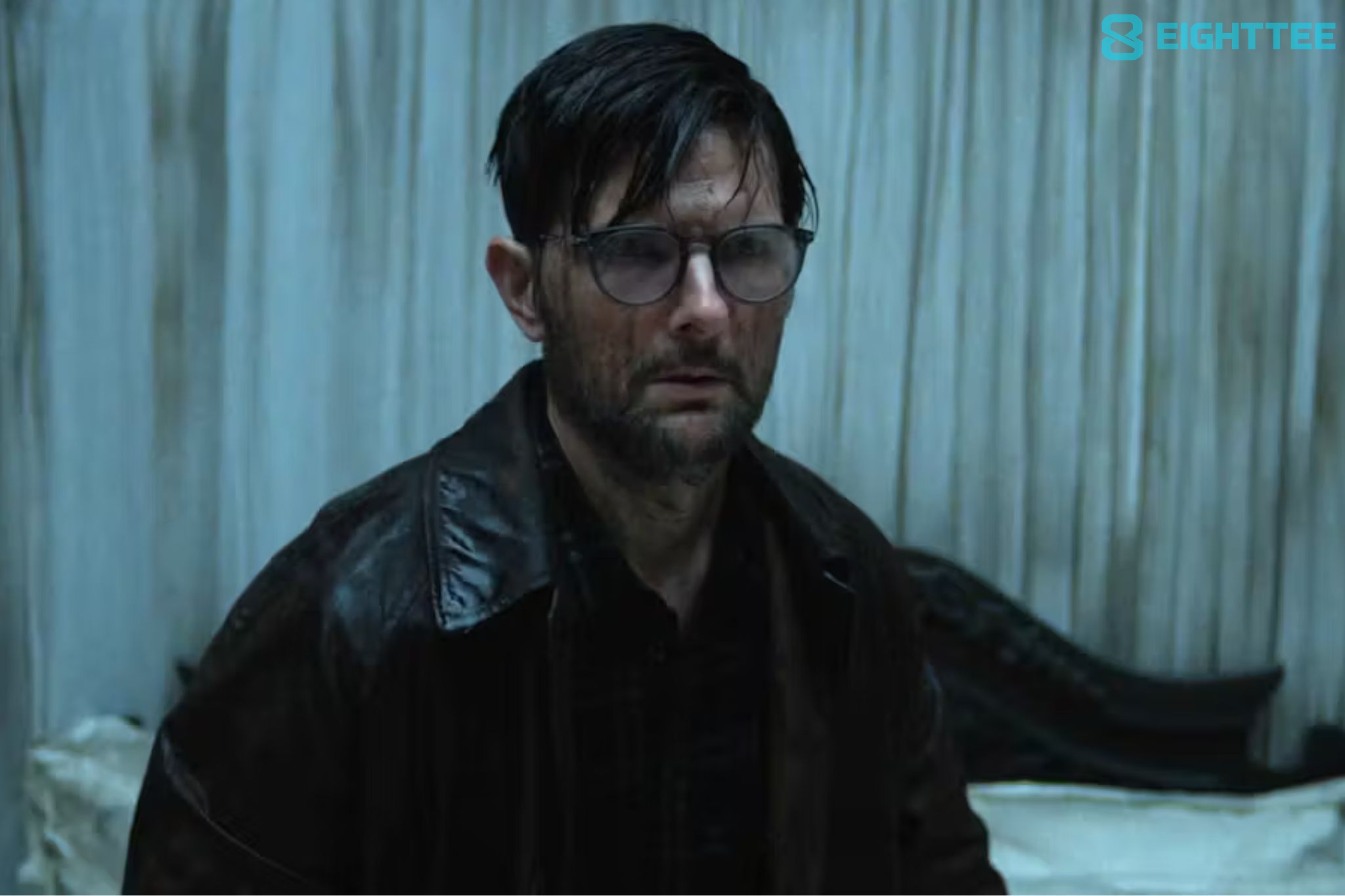
Adam Scott excels at portraying an “unlikable yet captivating” protagonist. He maintains Ohm’s cold and sarcastic demeanor throughout the film while subtly revealing moments of vulnerability, especially in scenes connected to his deceased parents.
Interestingly, Hokum avoids turning its protagonist into a traditional hero. Ohm becomes involved in the mystery primarily out of curiosity and personal guilt rather than any desire to save others. This choice helps the film maintain a more mature psychological horror tone instead of falling into familiar rescue-story clichés.
Script Limitations Hold The Film Back
The second half of the film feels somewhat anticlimactic, continuously introducing new secrets without fully exploring them in depth. The Celtic witch mythology and the mystery surrounding the “honeymoon room,” both compelling during the opening act, are resolved rather quickly and without the emotional payoff they seem to promise.
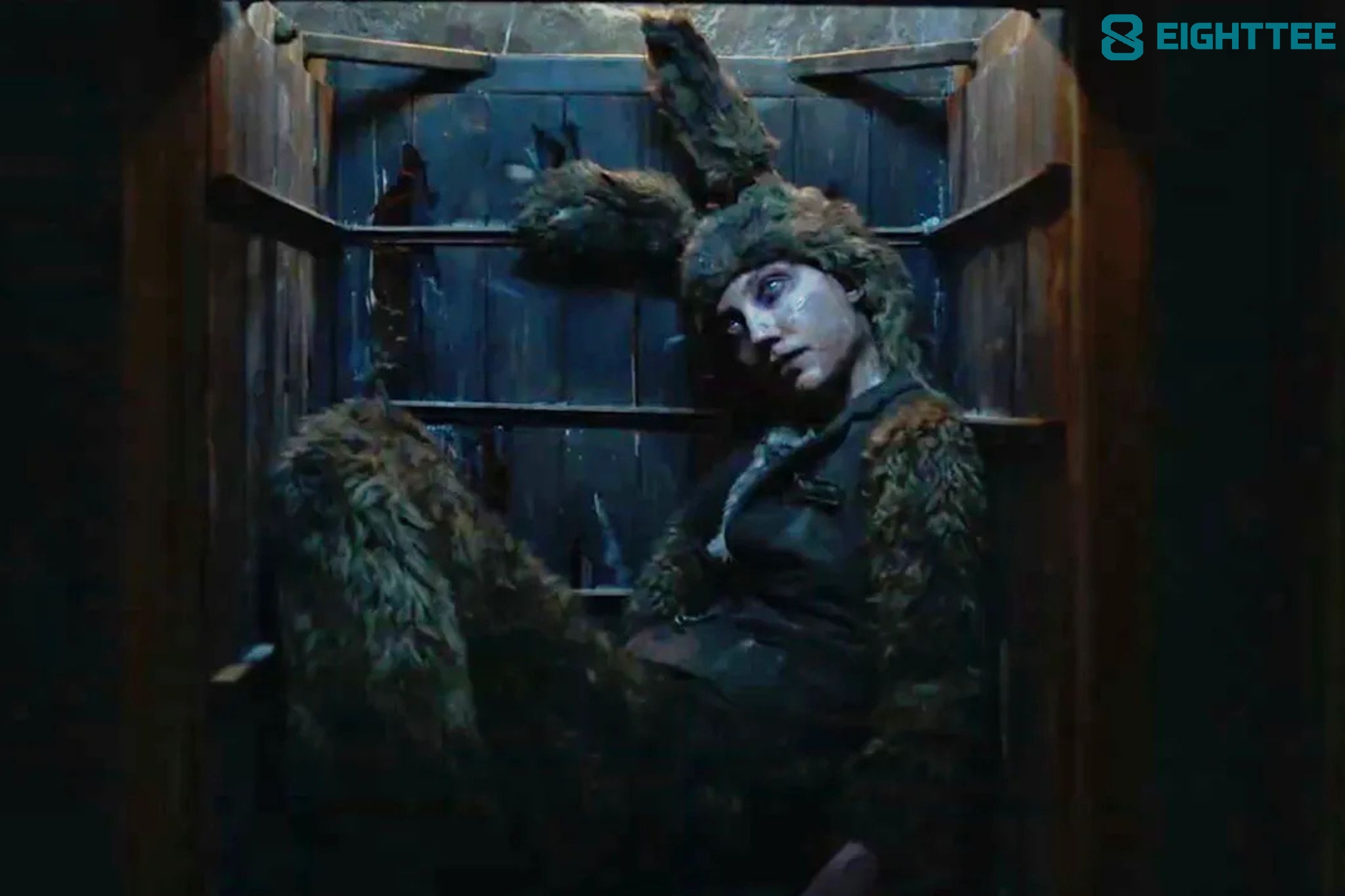
Some of the creature designs also become less effective later in the film because they are shown too clearly on screen. The horror feels far stronger in the first half when the supernatural presence is kept hidden and ambiguous.
Additionally, Hokum still relies on many familiar horror tropes: isolated hotels, forbidden basements, strange noises in the middle of the night, and a protagonist skeptical of the supernatural.
Conclusion
Overall, Hokum is a folk horror film with a remarkably strong atmosphere, especially suited for viewers who appreciate slow-burn psychological horror and intangible fears.
Although the screenplay is not without flaws, Damian McCarthy once again demonstrates impressive control over atmosphere and continues to establish himself as a distinctive voice in modern horror cinema.
