
Celebrity Fashion
Mother Mary (2026) Film Review: An Awakening from Fame
May
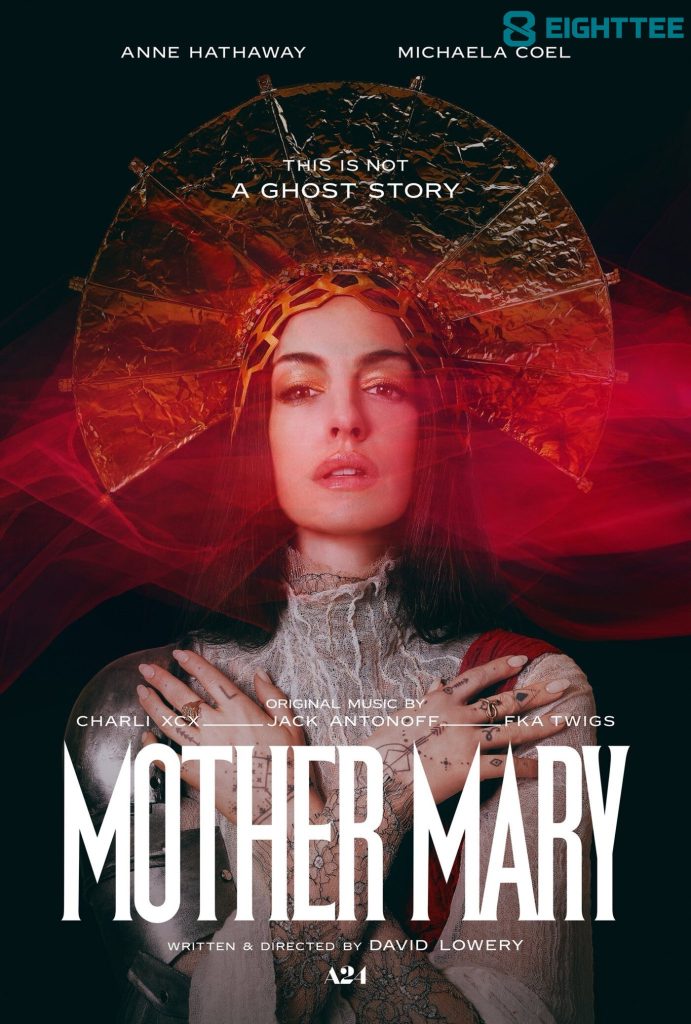
Through Mother Mary, starring Anne Hathaway and Michaela Coel, A24 once again delivers a unique and unconventional story centered on a timeless theme: the price of fame.
Presented through rich visual language and metaphorical dialogue, this is not an easy film for mass audiences, but it rewards those willing to patiently follow pop star Mother Mary on her journey to rediscover her true self behind the spotlight.

With a minimal cast, extended dialogues, and layered meanings, the film offers a strange allure that encourages viewers to peel back its symbolic layers. Ultimately, Mother Mary is less about delivering a direct message and more about expressing it through a comprehensive cinematic language system.
Story & Themes: Fame, Identity, and Emotional Rupture
Mother Mary (Anne Hathaway) is a pop icon revered almost like a saint. Behind her rise is Sam Anselm (Michaela Coel), the costume designer who helped shape her identity from the beginning.
However, as fame grows, so does emotional distance. Sam is gradually pushed aside, and the two drift apart—until a crisis forces Mother Mary to return, seeking Sam’s help for a comeback following a traumatic stage incident.
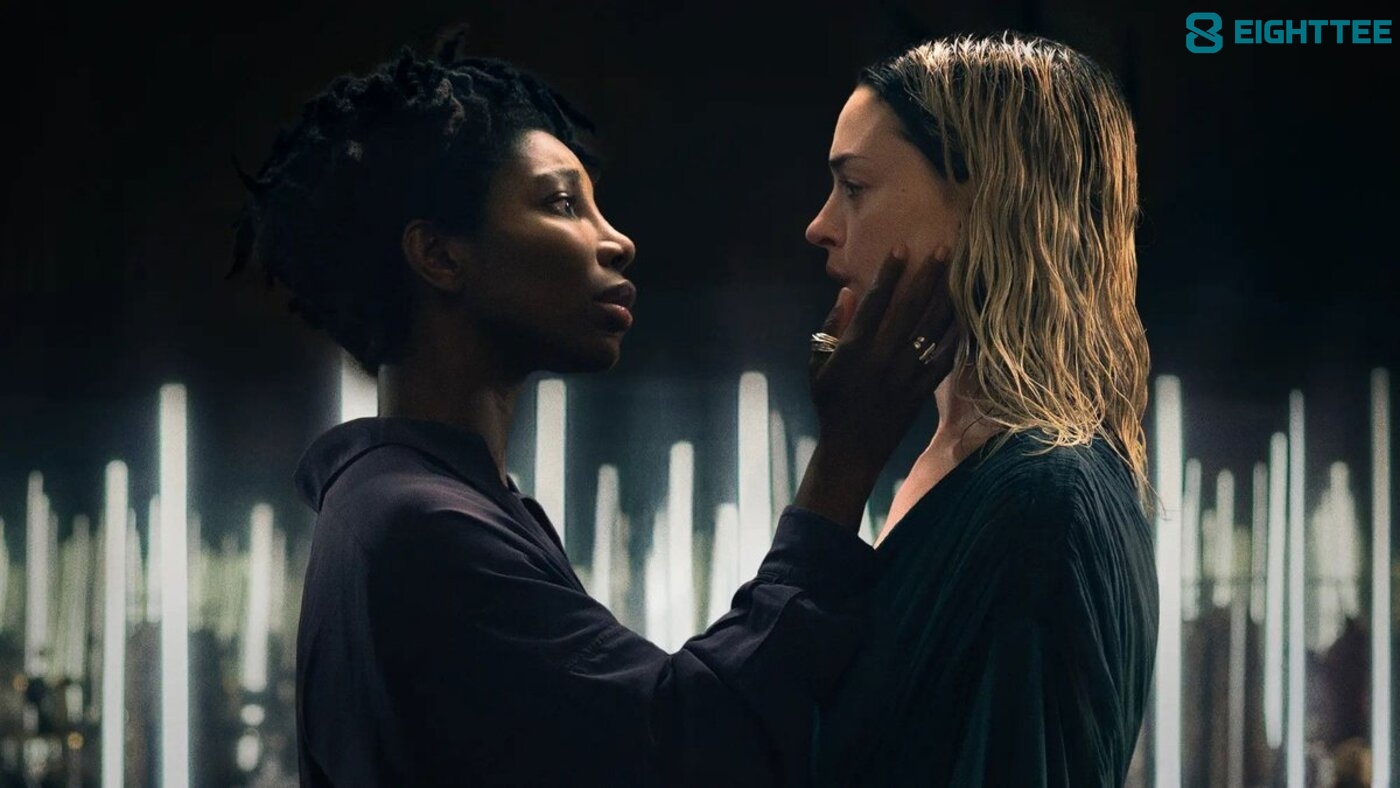
Despite lingering resentment, Sam agrees, knowing that only she can create something that allows Mother Mary to “feel like herself” again. Through their collaboration, they uncover buried trauma, betrayal, and unresolved emotional ties.
The film explores heavy themes such as the cost of fame, fear of replacement, identity loss, and artistic exhaustion. Beneath the glamorous stage persona lies a deeply fractured individual.
A Dual Perspective Narrative
The story unfolds through the perspectives of both main characters.
From Mother Mary’s viewpoint, the narrative alternates between her present-day comeback and flashbacks to her grueling touring life. The film subtly draws inspiration from Taylor Swift, reflecting the psychological toll of relentless fame.
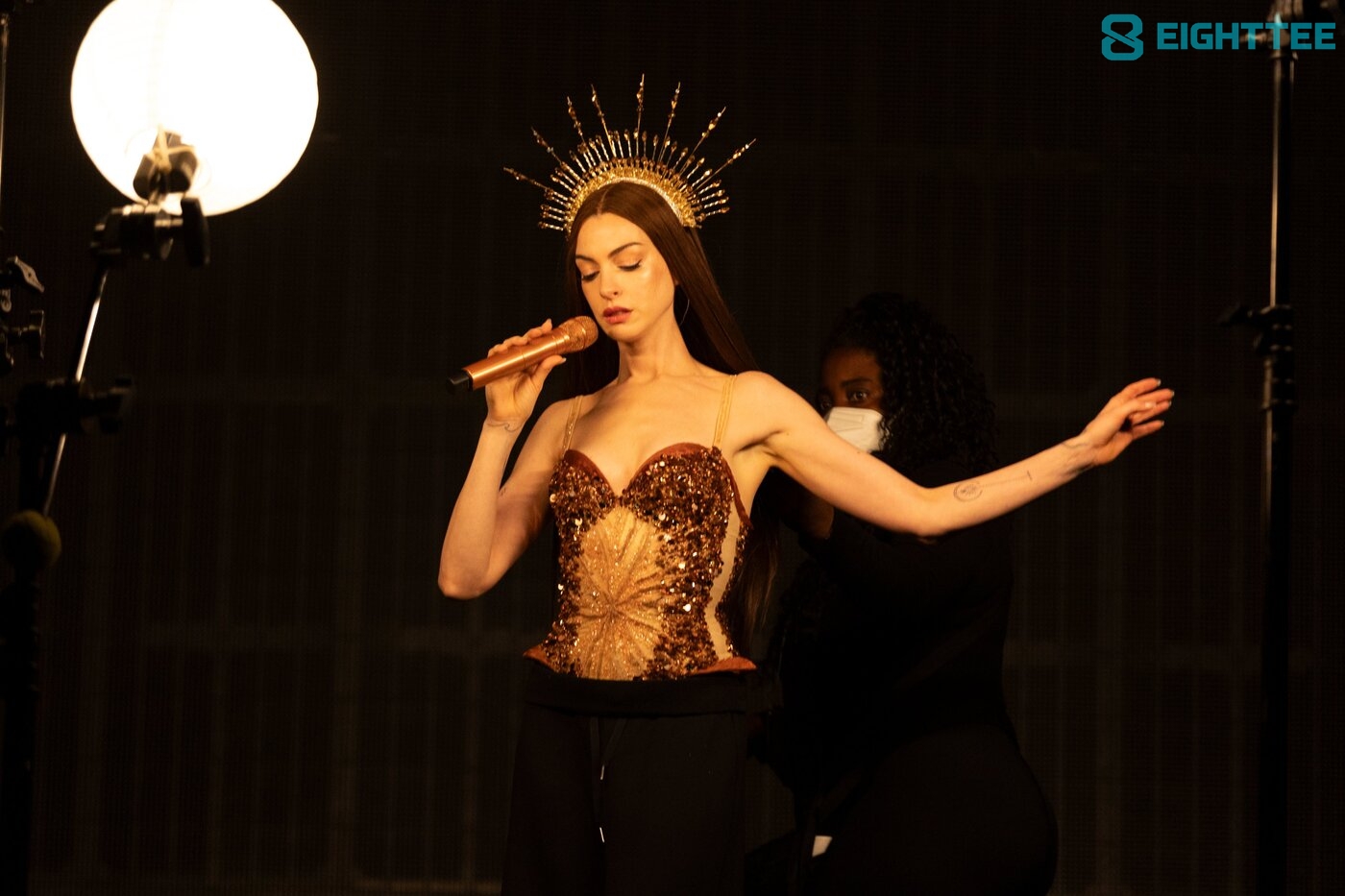
It raises a haunting question: Who are superstars when the spotlight fades? The film’s answer is stark—they often cannot separate their true selves from their public image.
Through Sam’s lens, we see the original, unfiltered Mother Mary. As the creator of her iconic visual identity, Sam represents the purity that fame has eroded.
Their reunion becomes a journey of confrontation, healing, and rebirth, with Sam acting as the emotional anchor for Mother Mary’s transformation.
A Cinematic Experience from Another Realm
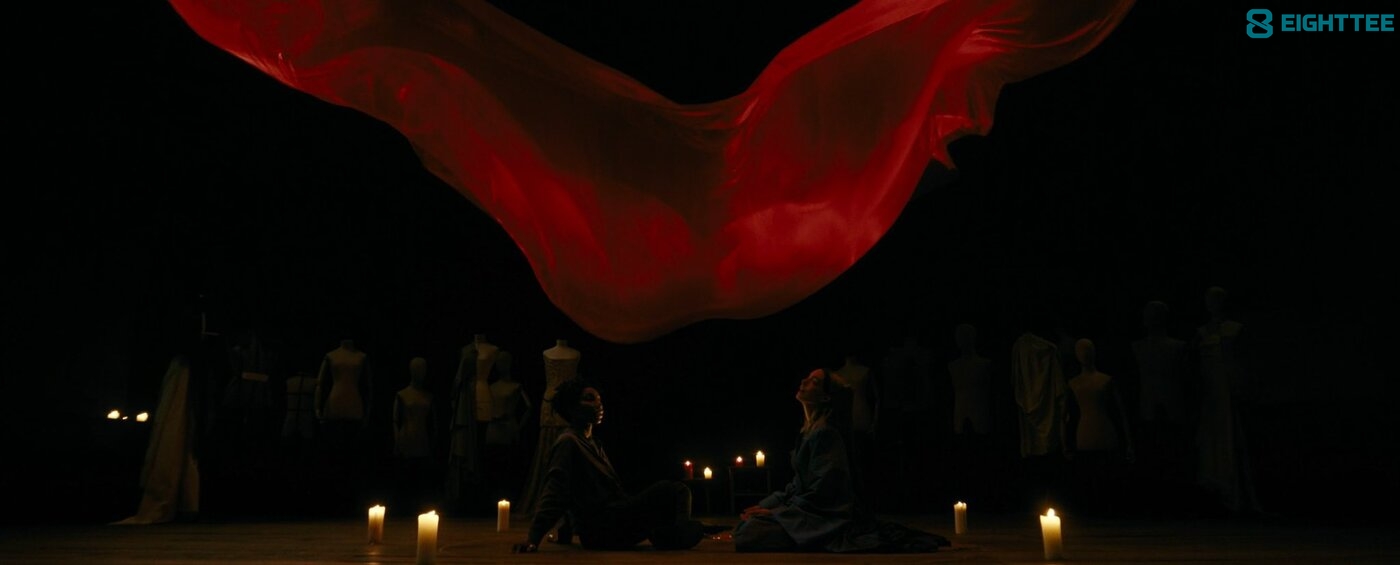
Although not labeled as a horror film, Mother Mary incorporates surreal elements, most notably the “ghost of the red ribbon”.
This entity symbolizes artistic purity and emotional pain, originating from Sam and manifesting as a haunting force within Mother Mary.
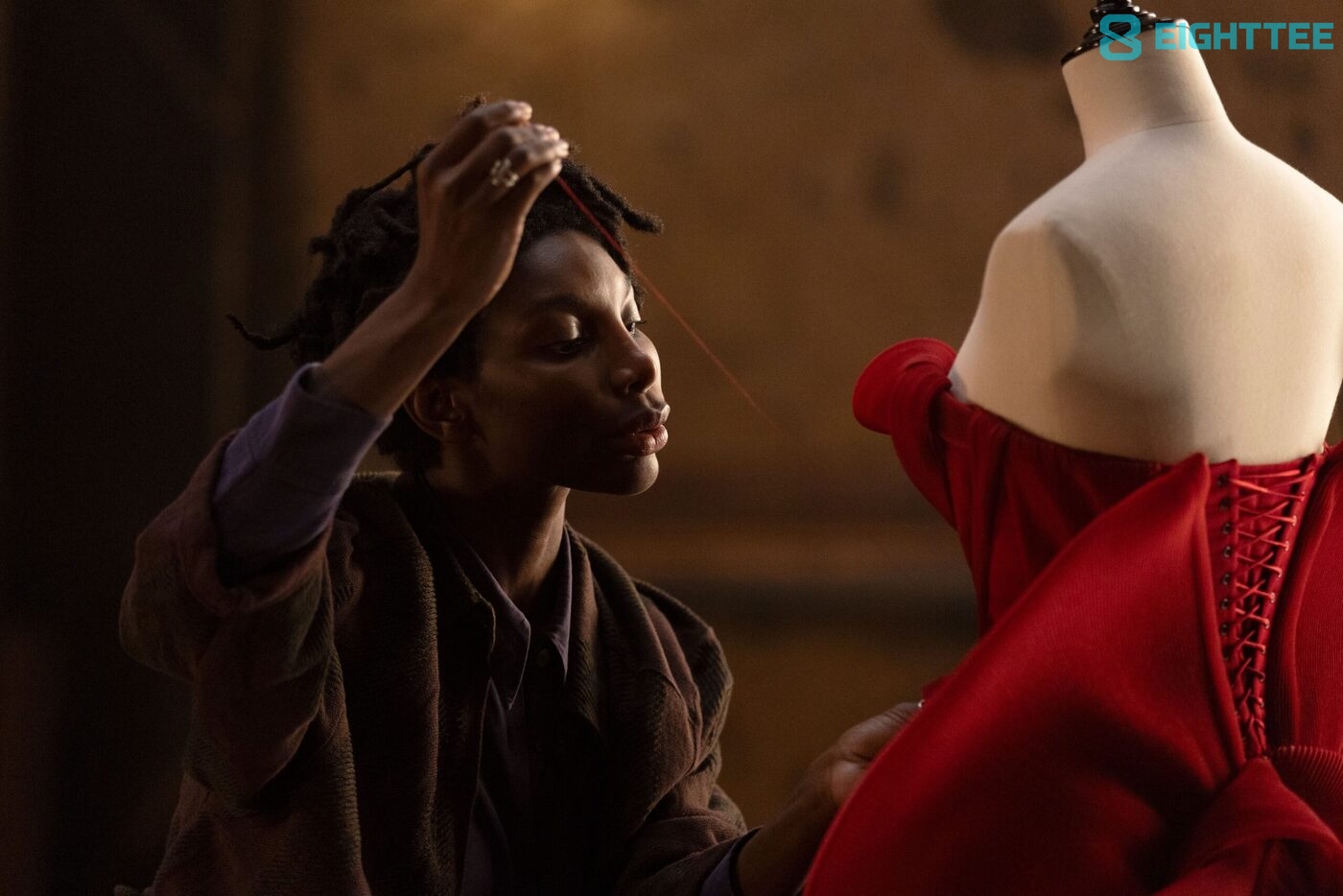
In a powerful symbolic sequence, Sam performs a ritual to remove the ribbon—representing liberation from fame’s burden and emotional suffering. This moment marks both a personal and artistic rebirth.
Director David Lowery showcases remarkable visual storytelling, using contrasting environments—from grand stages to decaying spaces—to reflect internal turmoil.
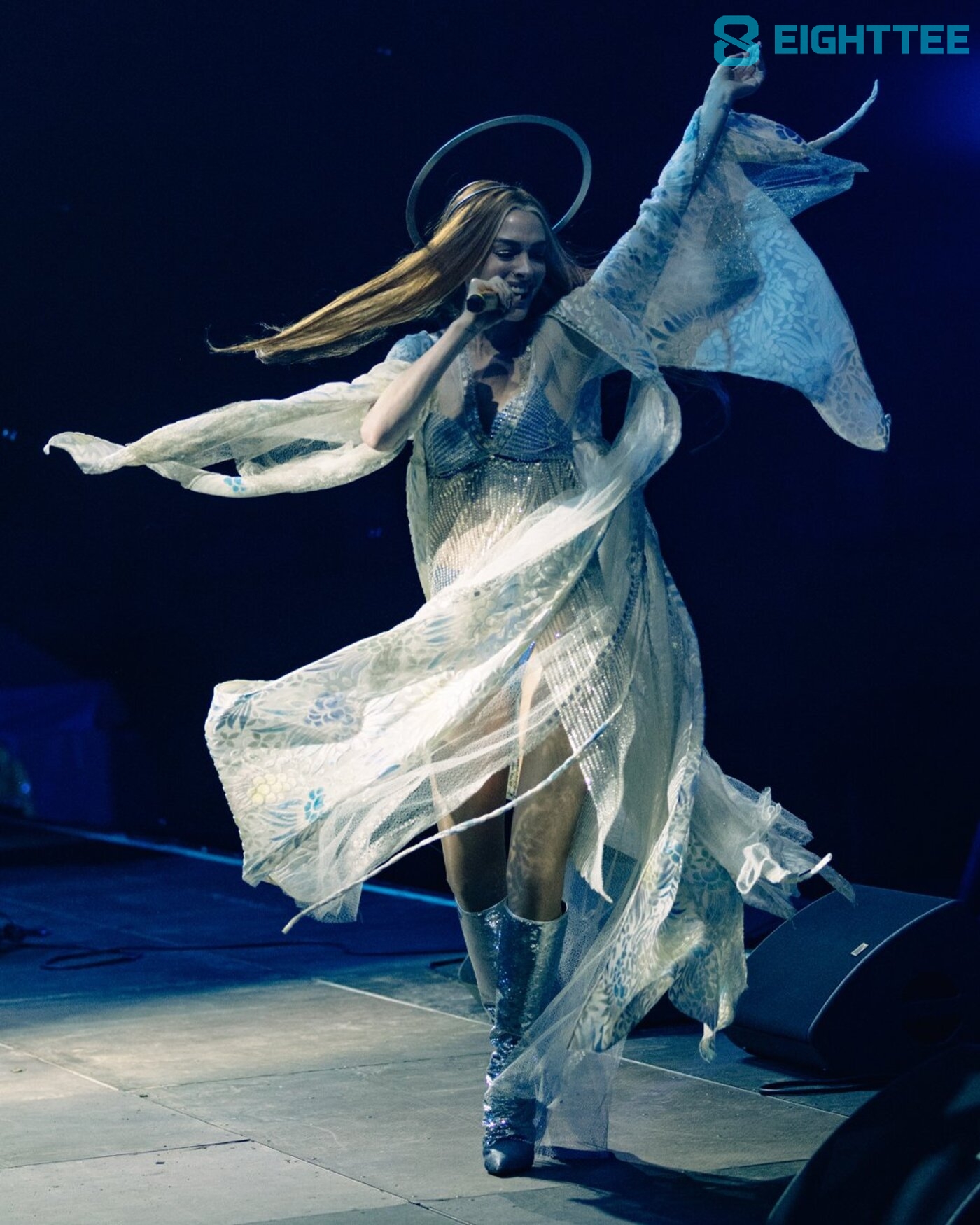
The film’s dynamic mise-en-scène, choreographed movements, and theatrical framing create a deeply immersive and symbolic cinematic language.
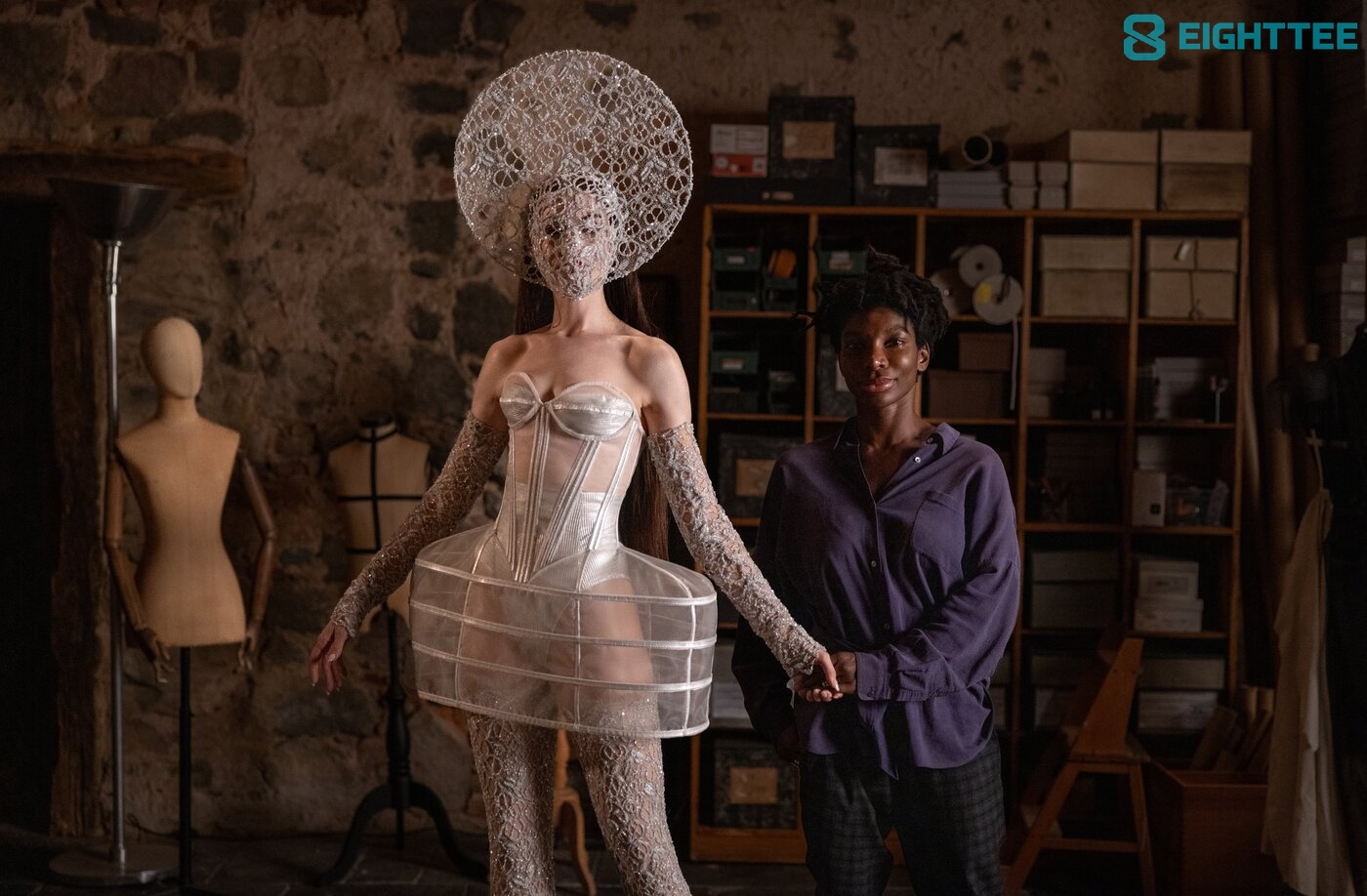
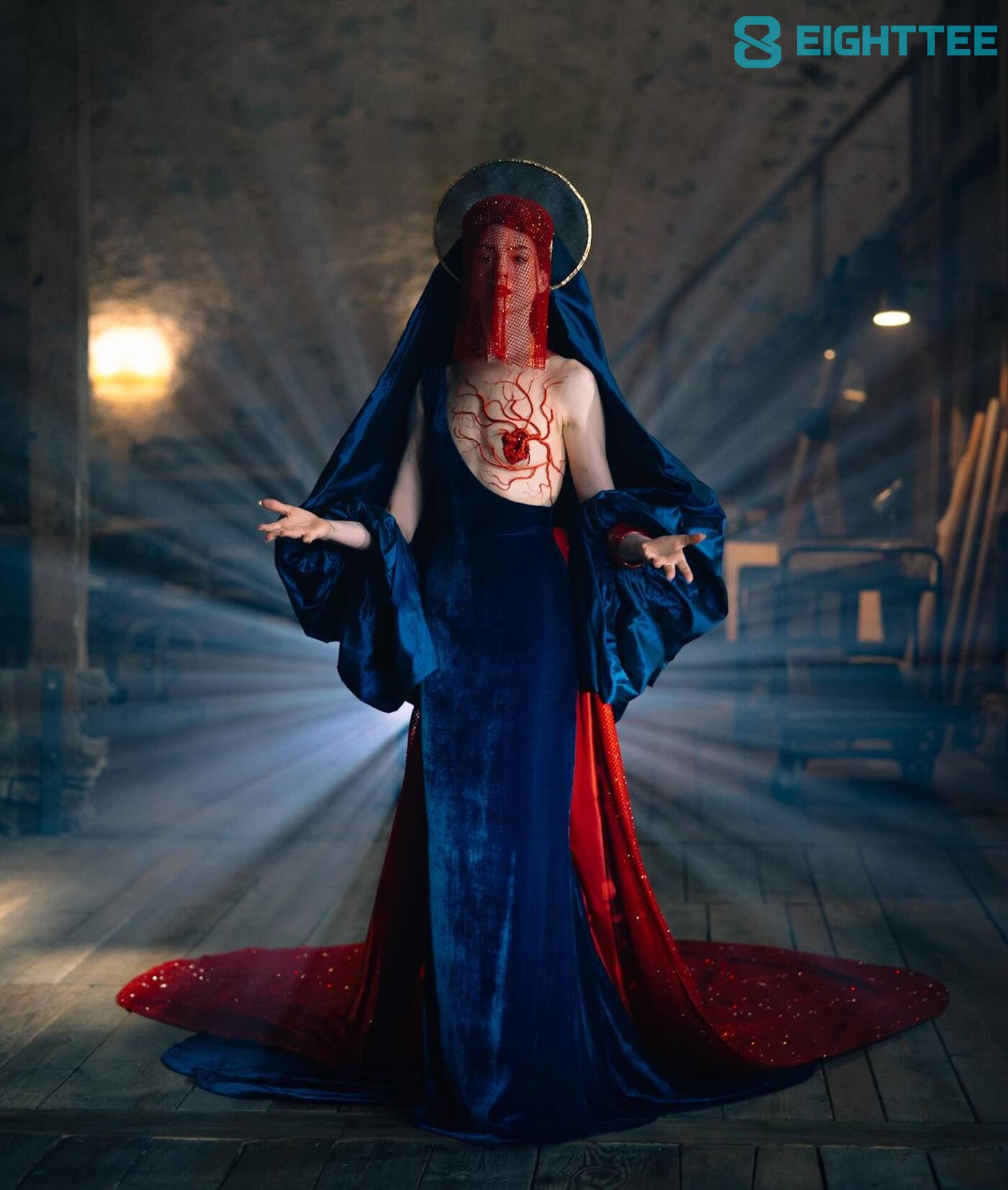
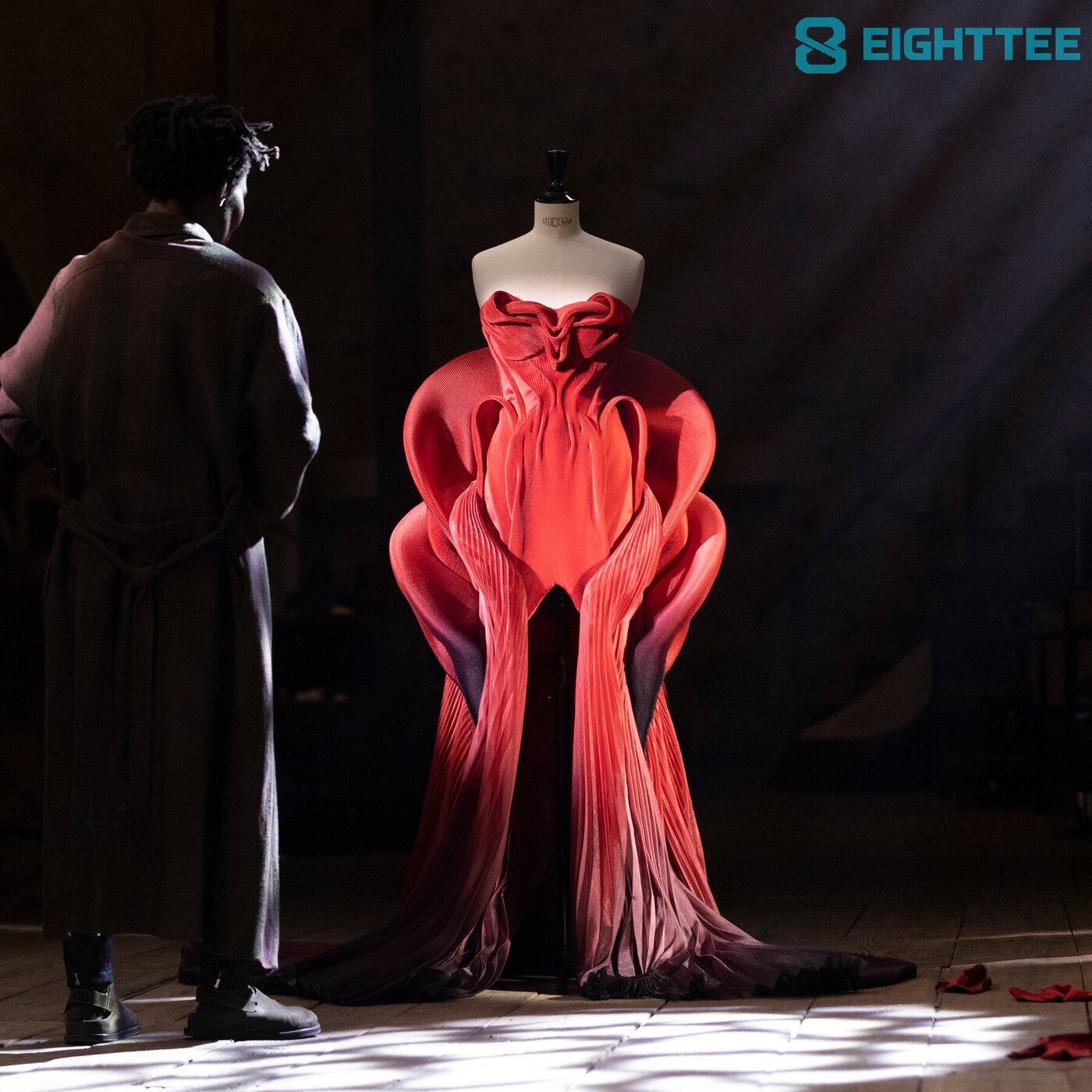
Costume design is another standout element. Under Bina Daigeler and collaborations with avant-garde designers like Iris Van Herpen, the visuals become a true feast for the eyes.
Performance: A Showcase of Acting Excellence
Anne Hathaway delivers one of her most emotionally intense performances to date.
Beyond the musical and visual aspects, her portrayal of a psychologically shattered star is deeply compelling—capturing exhaustion, vulnerability, and inner conflict with striking authenticity.
Her ability to switch instantly between a broken individual and a flawless stage performer highlights her exceptional range.
Michaela Coel complements this with a restrained yet powerful performance, grounding the film emotionally and providing balance to Hathaway’s intensity.
Final Verdict
Mother Mary (2026) is a deeply artistic and polarizing film.
Its heavy use of symbolism, ambiguity, and abstract storytelling makes it challenging for mainstream audiences, but highly rewarding for those willing to engage with its depth.
This is a film for a niche audience—one that invites reflection rather than passive viewing.
Ultimately, A24 once again proves its ability to merge art-house sensibility with emotional resonance, delivering a cinematic experience that is both intellectually and visually compelling.
