Celebrity Fashion
The Wisdom of Nature: What Cinema Is Telling About Humanity and Nature
May
“In the woods, every little thing matters, they are all interwoven, so if you really observe, you can’t tell where one thing ends and another begins. Even insects invisible to the naked eye are as important as a river. A dead tree is as important as a living one.”
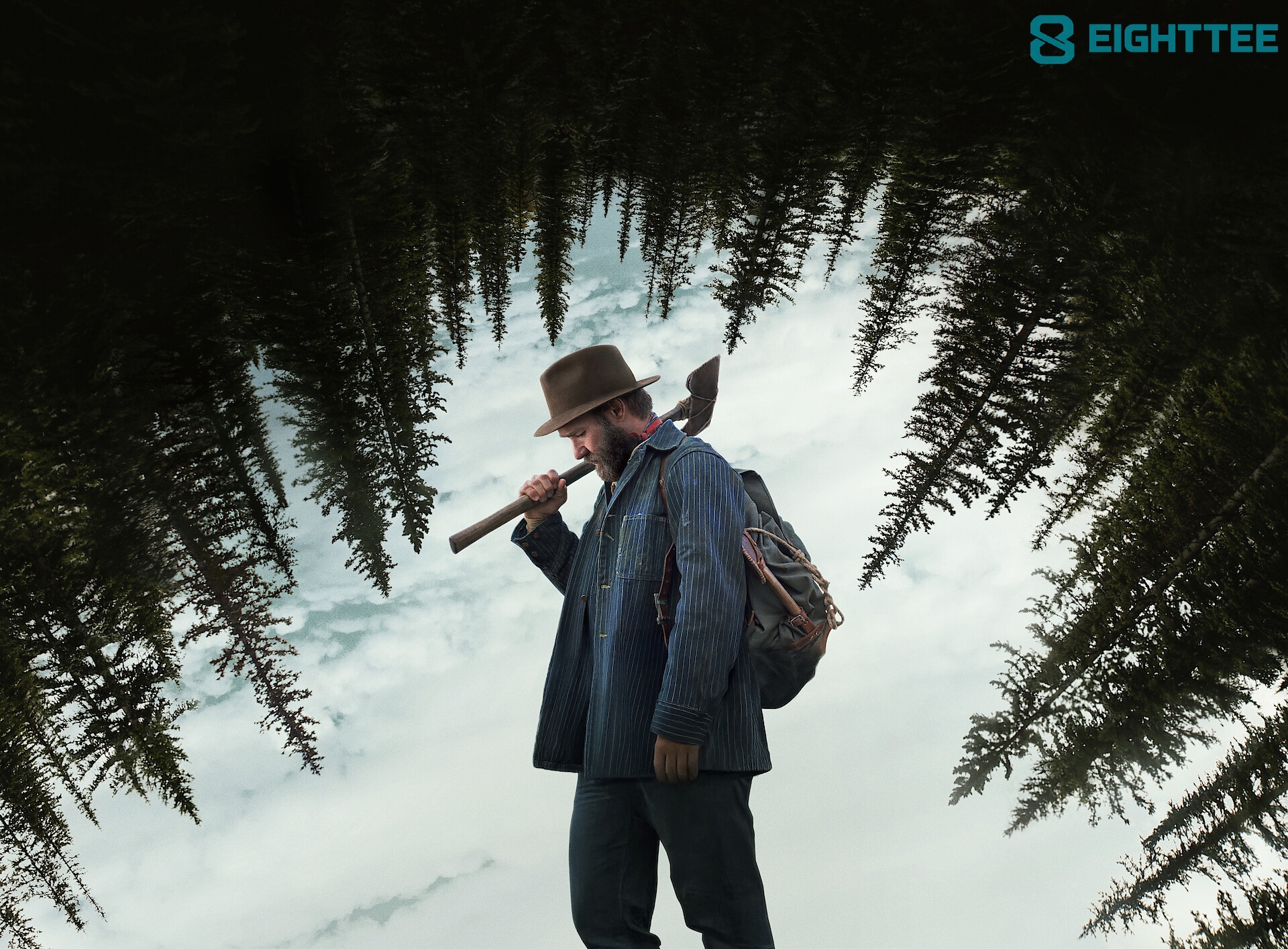
This quote is from Train Dreams, the most poetic film nominated for Best Picture at this year’s Oscars. Centered around the humble life of a lumberjack during America’s railroad construction era, the film tells a quiet yet profound story about humanity in the face of nature.
The Wisdom of the Forest
There are two common plot types found in Hollywood films about nature.
The first type: nature is both beautiful and terrifying, always ready to attack humanity, and humans must conquer it, as seen in films like Jaws, Jurassic Park, and Anaconda.
The second type: nature is an ancient, superior force, while humans are arrogant destroyers who ultimately fail, as portrayed in Avatar.
Train Dreams does not belong to either of these storytelling styles. It also differs from philosophical conflicts between humans and nature seen in films like Princess Mononoke or Nausicaä.
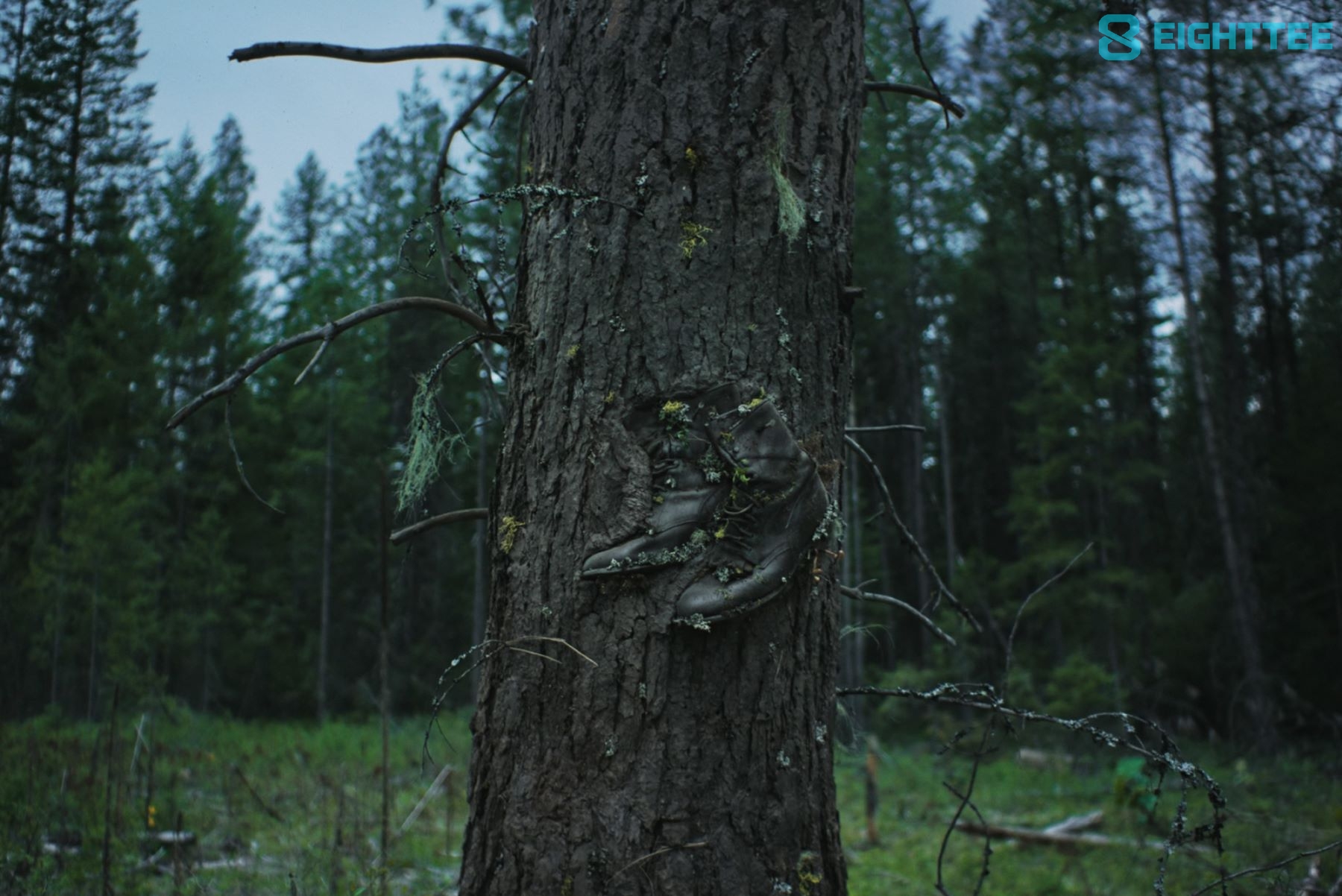
In Train Dreams, all human destruction becomes insignificant before nature.
The uniqueness of the film lies in the absence of heroes or epic battles. Human actions—such as cutting down ancient trees—feel small and almost irrelevant. Nature neither retaliates nor reacts. It simply exists.
Humans continue their mundane routines, working to survive, supporting their families, and experiencing fleeting moments of joy and sorrow. Meanwhile, nature remains an unpredictable mystery, neither cruel nor forgiving.
No matter how great human ambition is, it pales in comparison to the boundless power of nature.
Watching scenes where loggers cut down trees that have stood for thousands of years, the audience does not feel pity for the trees—but for the humans.
Humans appear small, fragile, and temporary. Even a dead tree carries more presence, wisdom, and dignity than a living human being.
Humans cut down trees not because they are superior, but perhaps because nature allows it—much like a quiet, unspoken sacrifice.
The Language of All Creatures
Train Dreams also explores a poetic idea: that nature communicates in ways humans rarely understand.
“Sometimes God has to choose strange ways to convey what you need to hear. Sometimes through the words of a donkey, sometimes through someone you would never expect.”
Through the sound of wind moving through leaves, the film suggests that trees—and perhaps all living things—have their own language.
If humans truly listen, they might begin to understand.
In recent cinema, the idea of communication between humans and nature is making a strong return.
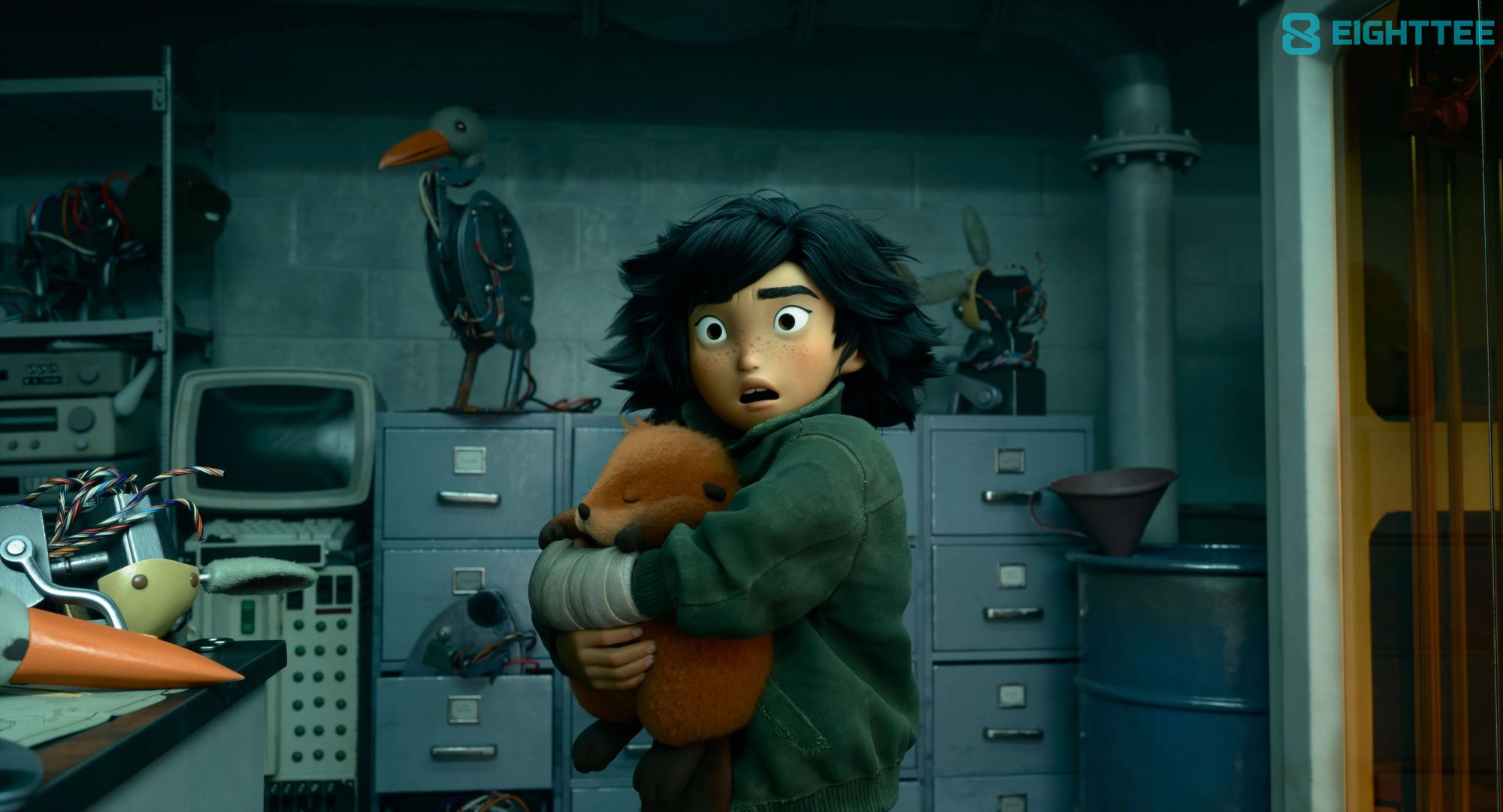
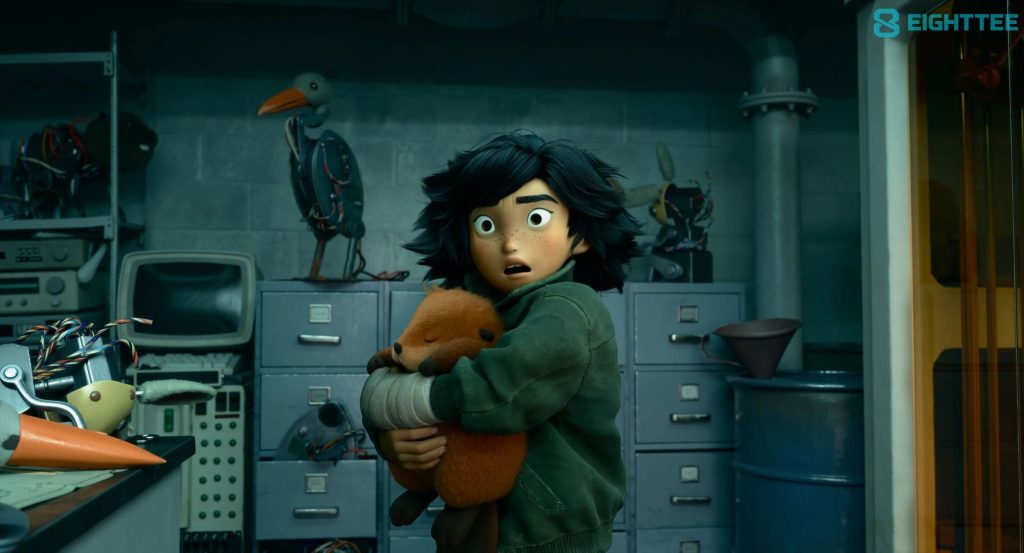
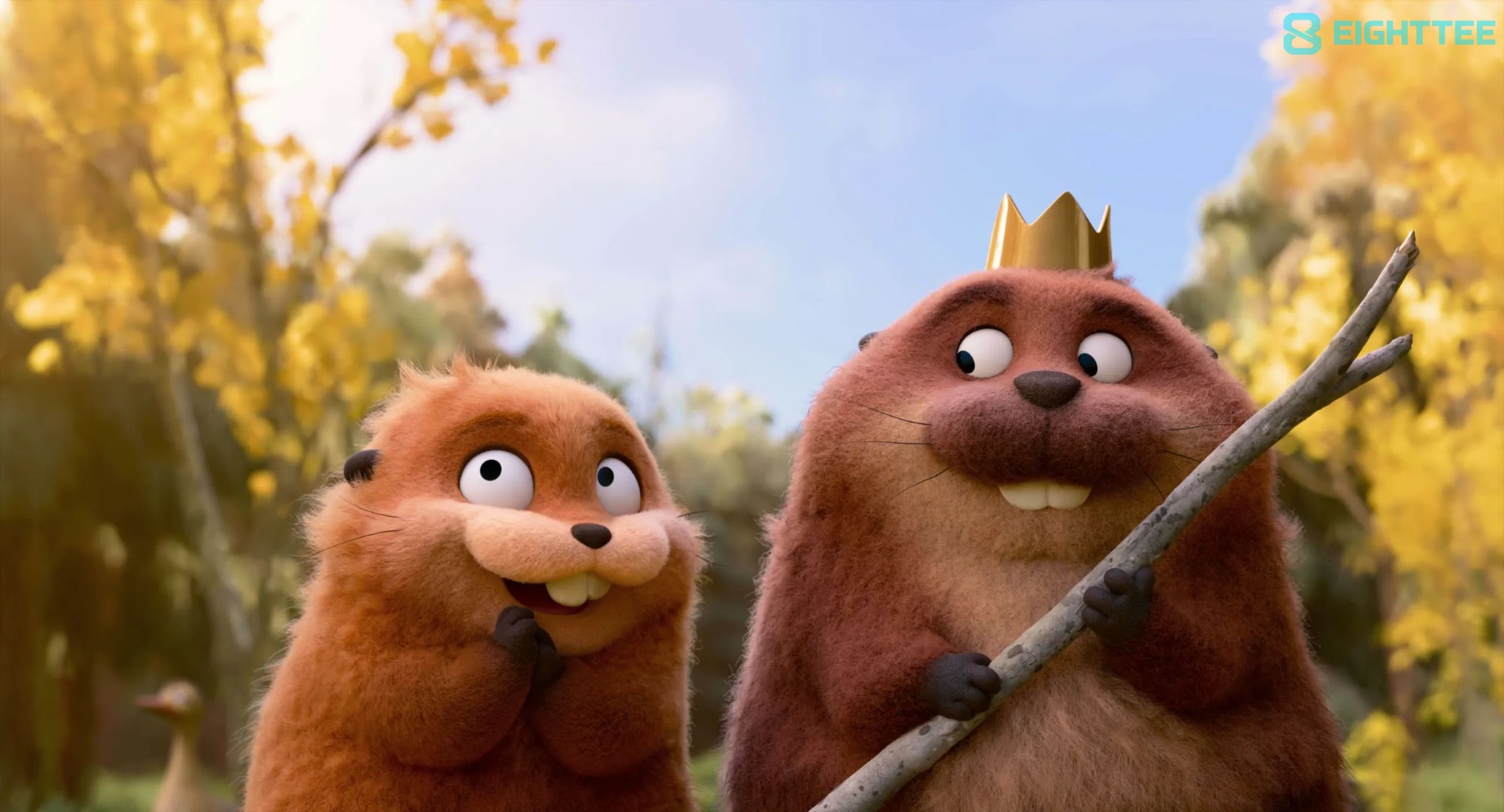
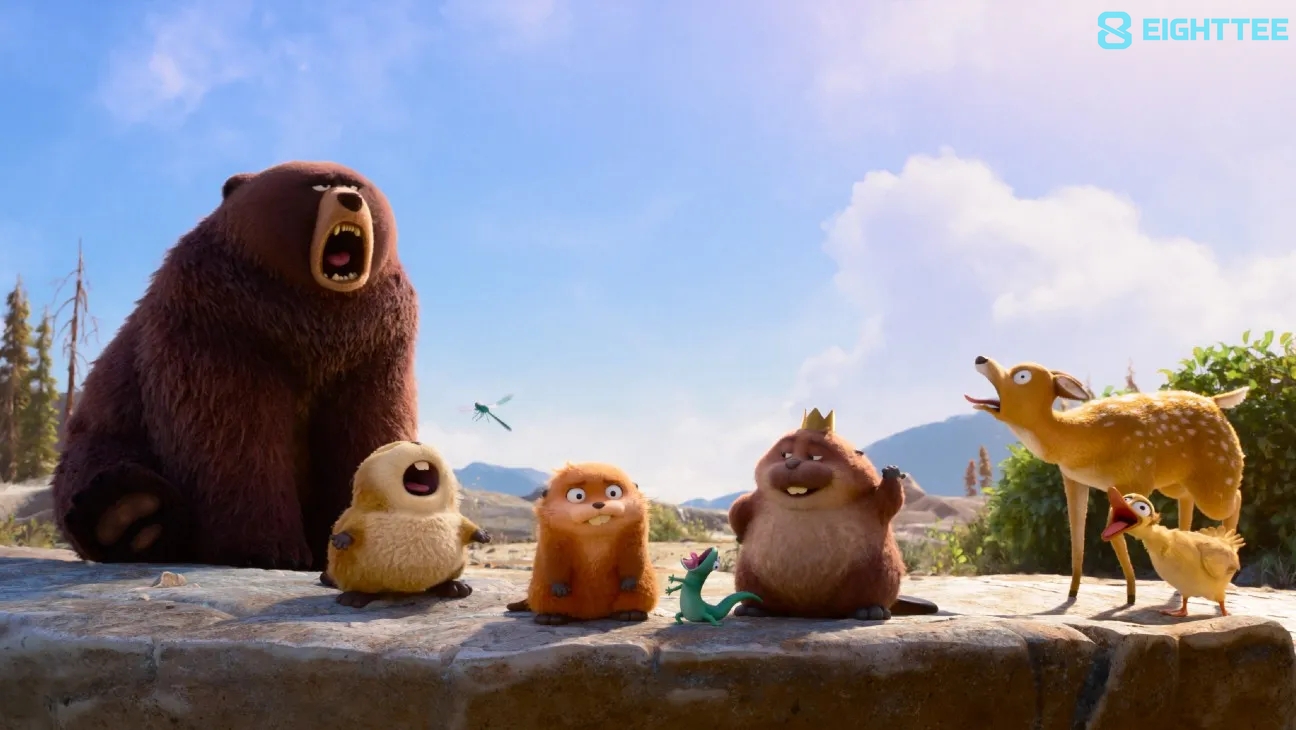
This theme appears in Hoppers, Pixar’s latest animated film. The story follows Mabel, a girl determined to protect the forest where she grew up.
When a development project threatens the land, she participates in a scientific experiment that transfers her mind into a beaver-shaped robot, allowing her to enter the animal world and unite them against destruction.
While Hoppers presents a creative and humorous premise, it ultimately remains limited by a naive and somewhat simplistic perspective, especially when compared to the deeper philosophical approach of Train Dreams.
Conclusion
Modern cinema is gradually shifting its perspective on nature—from something to conquer or fear, to something to observe, respect, and understand.
Train Dreams stands out by removing conflict entirely, reminding us that humans are not the center of the world.
Nature does not need to fight us to prove its power—it simply exists, far beyond our scale.
